24./25. September 2026, Berlin
3rd meeting of the network
with keynotes by Antoine Hennion, Centre for the sociology of innovation, Mines Paris, and
Jeremy Gilbert, Professor of Cultural and Political Theory, University of East London.
Antoine Hennion: Music as a present, music in the present
The many meanings of the verb ‘to present’ could not be more apt for expressing the questions I would like to explore with you. And ‘present’ also means ‘gift’… I shall begin with this age-old paradox: our dual sense of belonging – both social and shared, yet intimate and personal – on the one hand to a history as multifaceted and diverse as it is constantly revisited, rewritten and renewed; and on the other hand to the present moment alone. As William James said, if I say ‘now’, I am already referring to a moment that has passed. We know this only too well, we who live constantly caught between the present anticipation of a future yet to come and the present memory of past experiences: we live strictly in the present, reliving the past and dreaming of the future – or fearing it, in times like these…
Yet music, this ‘art of time’, as it has so aptly been called, seems tailor-made to render crystal-clear – I’m tempted to say ‘obvious’ (a visual adjective, that) – this paradox of the present: certainly, it can only be experienced in the present moment, but that is true of everything – the film we’re watching, the book we’re reading, the very thought that occurs to us, what I’m telling you right now; but in the case of music, to put it once again too simply, it has no material existence other than its own unfolding, in time: in its own time, its own tempo, I am tempted to say. It is this time of its own, this internal tempo of music that I would like to explore in more detail – its meaning and implications – before drawing conclusions about its current modes of production and listening – but that, I’m sure you’ll do it better than I can!
Jeremy Gilbert: From the Streets to the Streams: Musical Solidarities in the Age of Platform Capitalism
This lecture will discuss changing experiences of musical collectivity in the twenty-first century, approaching the topic from two angles. First, it will consider the question of how music cultures can become sites at which relations and feelings of solidarity are formed, expressed and experienced, drawing on my current research into the concept of solidarity, and my historic research into collectivist aesthetics and politics within dance music cultures (from Disco to Rave). Secondly, it will consider how the nature of musical cultures, ‘scenes’ and ecologies have historically tended to change during distinctive phases of capitalist development: from the ‘Fordist’ era of the 1950s and 1960s, through the ‘post-Fordist’ period of the the 70s, 80s, and 90, into the era of ‘Platform Capitalism’ wherein localised urban music scenes seem to have been largely displaced by online communities and social media (taking the history of the British Grime scene as exemplifying the move ‘from the street to the stream’), while streaming culture has exacerbated the tendency for music consumption to be privatised in every possible way. Finally, the lecture will ask us to reflect on how music and music culture can retain art even enhance their solidaristic capacities under these conditions of digitised privatisation.
23.-25. February 2026, Berlin
2nd meeting of the network
with keynotes by Bob L. T. Sturm, Associate Professor for Speech, Music and Hearing, Royal Institute of Technology, Stockholm, and
Paolo Magaudda, Associate Professor in Sociology of Culture and Communication, University of Padova
Bob L. Sturm: I am troubled
At the conclusion of my ERC-funded project “MUSAiC: Music at the Frontiers of Artificial Creativity and Criticism”, I find that I am troubled. First, I am troubled by the collision of what I think I know about the engineering of large language models with how I see them being used, sold and valued. Something, I think, is deeply wrong here. Second, I am troubled by contradictions in my a/r/tography praxis—that is, being an artist, researcher and teacher in private and professional worlds increasingly inflected and infected by AI and AI-speak. These contradictions center on my creative and pedagogic practices, personal beliefs in intellectual property and individual liberty, and moral judgements about training AI systems on the world’s data, and neoliberalism more broadly. My talk will focus, of course, on just how troubled I am, and my current thinking about it all.
Paolo Magaudda: Ruptures and Reassemblages in Music in the Age of AI
In 2023, generative AI abruptly became a mass and highly contested sociotechnical phenomenon, triggering visible ruptures across the music world. This talk examines these transformations through the lens of Science and Technology Studies, approaching music not as a stable object, but as a contingent and constantly negotiated assemblage of human artists and non-human technologies, intertwined with practices, regulations, markets, and cultural values. From this perspective, generative AI does not simply introduce new tools; it unsettles existing alignments and sets in motion processes of reassembly across multiple dimensions of the musical sector. I focus on four areas where these dynamics become especially visible: creative practices, authenticity, platforms, and copyright—along with emerging forms of collective agency mobilized in response to AI. Rather than framing AI as a singular technological revolution, I argue that it triggers multiple, overlapping and contested reassemblages. Many open questions remain to be addressed in the coming years, including whether AI will fundamentally transform music in society or instead be gradually absorbed and normalized within contemporary musical cultures, practices, and market models
29. / 30. September 2025, Weimar
Kick-off meeting of the network
21. bis 23. September 2023
Musik in der spätmodernen Gesellschaft
Krisen – Chancen – Transformationen
International Conference, Festsaal Fürstenhaus,
Music University Franz Liszt Weimar
Platz der Demokratie 2/3, Weimar
Programm
Donnerstag 21. September 2023
13:50 Uhr Tagungseröffnung
Grußwort Juan M. V. Garcia, Vizepräsident für Praxis und Forschung der HfM Weimar
14:00 Uhr
Martin Pfleiderer, Weimar:
Musik in der spätmodernen Gesellschaft.
Krisen – Chancen – Transformationen
Im Einführungsvortrag werden Fragestellungen sowie Hintergründe und Intentionen der Tagung thematisiert. Ausgangspunkt ist die Annahme, dass sich Musik und Musikleben der Gegenwart nur im Rahmen einer Gesellschaftstheorie angemessen verstehen lassen. Ich möchte mögliche Grundzüge eines solchen gesellschaftstheoretischen Rahmens zur Diskussion stellen und dabei insbesondere auf die Krisenerfahrungen und sich abzeichnende Transformationsprozesse in der spätmodernen Gesellschaft sowie auf deren Auswirkungen auf Musik und Musikleben eingehen. Zugleich sollen mögliche Konsequenzen für verschiedene Bereiche einer soziologisch orientierten Musikforschung skizziert werden.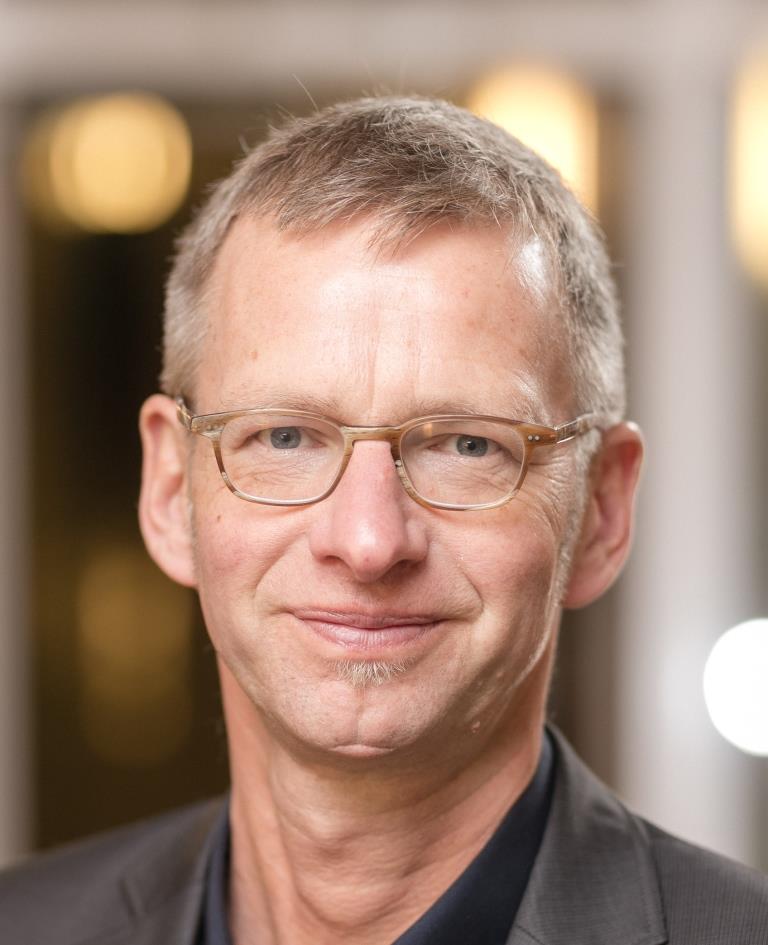
Foto: Alexander Burzik
Martin Pfleiderer (*1967) ist seit 2009 Professor für Geschichte des Jazz und der populären Musik an der Hochschule für Musik Franz Liszt Weimar. Er studierte Musikwissenschaft, Philosophie und Soziologie an der Universität Gießen (1988–1993), wo er 1998 promoviert wurde. Von 1999 bis 2005 war er Wissenschaftlicher Assistent für Systematische Musikwissenschaft an der Universität Hamburg. Nach seiner Habilitation (2006) übernahm er Gastdozenturen u. a. an den Universitäten Paderborn und Basel. Er befasst sich u. a. mit der Geschichte, Analyse und Ästhetik von Jazz und populärer Musik, Rhythmus-, Gesangs- und Improvisationsforschung, Musiksoziologie und Computational Musicology.
14:45 Uhr
Carsten Wernicke, Berlin:
Musik und Luxus
In gewisser Weise ist Luxus immer schon mit Musik verbunden, sei es als Sujet, in Aufführungsformaten oder musikspezifischen Artefakten. In diesem Kontext ist Luxus das, was rar und erstrebenswert ist und sodann auch Subjekte bei entsprechender Verfügungsmacht zu demonstrativem Konsum befähigt. Luxusvorstellungen sind allerdings dynamisch. Denn wie sich mit der industriellen Entwicklung und dem damit breiteren Verfügbarwerden von Konsumgütern Vorstellungen und (sozialpolitische) Definitionen von Armut verschieben, verschieben sich Vorstellungen von Wohlstand und Reichtum und dementsprechend auch Rarisierungsmechanismen. Was heute akzeptierter Lebensstandards ist, fiel früher in die Domäne des Raren. Der Diskurs um die Klimakrise bricht mit dieser güterbezogenen Dynamik, da er uns vor Augen führt, dass sich eigentlich nicht die Luxus-Abgrenzungen verschieben, sondern dass mit steigendem gesellschaftlichem Wohlstand immer mehr Menschen in den Genuss von Luxus kommen und eine weitere Luxusdeterminante immer schon der übermäßige Verbrauch von Ressourcen war. Was heute kulturkapitalistisch rar ist, ist demnach lediglich die Spitze des Umstands, dass spätmoderne Lebensstile der Ersten Welt von Grund auf Luxus sind, auch weil sie für Menschen des globalen Südens weiterhin rar bleiben. Auch ästhetische Definitionen von Luxus lösen dieses Dilemma nicht auf. Ist allerdings im Sinne Lambert Wiesings Luxus „jeder Aufwand, der sowohl über das technisch Notwendige für etwas als auch über das anthropologisch Notwendige für jemanden hinausgeht“, so öffnet insbesondere die zweite Bedingung einen theoretischen Spielraum, der vor dem Hintergrund einer Theorie der Resonanzbeziehungen den zuvor formulierten allgemeinen Luxusverdacht zumindest gegenüber dem Kern musikalischer Praktiken infrage stellt. Welche Konsequenzen sich daraus ergeben, soll in diesem Vortrag diskutiert werden.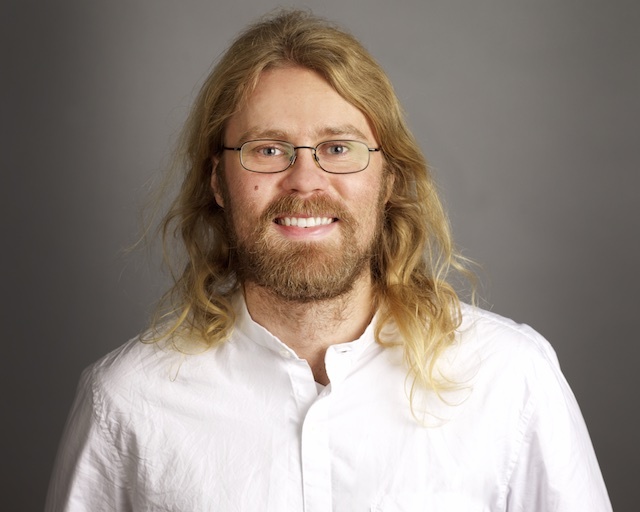
Foto: privat
Carsten Wernicke ist wissenschaftlicher Mitarbeiter im DFG-Forschungsprojekt „Songwriting-Camps im 21. Jahrhundert“ an der Leuphana Universität Lüneburg und im DFG-Forschungsprojekt „Darstellung und Rezeption klassischer Musiker:innen bei YouTube: Aufführungs- und Lebenspraxen im digitalen Zeitalter“ an der Universität Koblenz. Zurzeit schließt er seine Dissertation zu „MusickingFaces. Interfaces und Surfaces digital-materieller musikalischer Aneignung in Strukturlogiken der Synchronizität und Reziprozität“ ab. Zu seinen Schwerpunkten gehören die Anwendung qualitativer Forschungsmethoden auf musiksoziologische Fragestellungen, Interface-Theorie, Musik und Technologie sowie Musik und Selbstsorge.
16:00 Uhr
Theresa Vollmer / Michaela Pfadenhauer, Wien:
Der Kanon des Chorischen
Das Chorische als gemeinsames Singen existiert in vielen Formen (z. B. bei Fußballspielen oder Demonstrationen). Es schafft eine Form der Kollektivität, die sich durch ihr akustisches Erscheinungsbild auszeichnet, bei dem sich individuelle Stimmen im Chorischen auflösen.
Eine weit verbreitete Form des Chorischen sind Chöre. Laut eines Berichts der European Choral As-sociation (2015) gibt es in Europa etwa eine Million Ensembles. Ihre Geschichte kann als Geschichte der Vergemeinschaftung des Singens betrachtet werden: Chöre entstanden im 19. Jhd. in Europa, als sie als eigener Klangkörper begründet wurden. Die Werke der Komponist:innen, die diese Chorform mitschufen, sind bis heute beliebtes Chormusikrepertoire. So scheinen Chöre im Rahmen der „klassischen Musik“ verortet.
Zugleich ist die Frage, was Chöre sind, Gegenstand aktueller Praktiken des Chorgesangs – Chöre sind derart vielfältig, dass sie sich nicht auf einen ‚klassischen Rahmen‘ eingrenzen lassen: Zahlreiche Chorformen agieren jenseits einer konventionellen Chortradition (z. B. Arbeiter:innen- und queere Chöre).
Wir fragen uns, wie Prozesse der Kanonisierung und Konventionalisierung durch die Praxis zeitgenössischer Chöre (re)stabilisiert und transformiert werden. Da das Singen in Chören nur eine Form des Chorischen ist, liegt ein Fokus auf Organisationen, die den Kanon des Chorsingens (mit)tragen und legitimieren. Ein anderer liegt auf situierten Handlungen, die in Proben routiniert werden und das (sinnlich-affektive) Erleben der Kollektive (mit)bestimmen. Außerdem sind Prozesse der Valorisierung (Reckwitz) von Bedeutung (z. B. „Was ist es wert, gesungen zu werden?“), während die Anerkennung unterschiedlicher Chorpraktiken die Identität der Gruppen mitbedingt.
Können ‚progressive‘ Formen des Chorgesangs Konventionen und Kanonisierungen ‚aufbrechen‘ oder tragen sie unweigerlich zur Reproduktion des Kanons des Chorwesens bei? Im Beitrag skizzieren wir unseren Ansatz zur Perspektivierung des Verhältnisses von situiertem Chorgesang zum Kanon des Chorischen.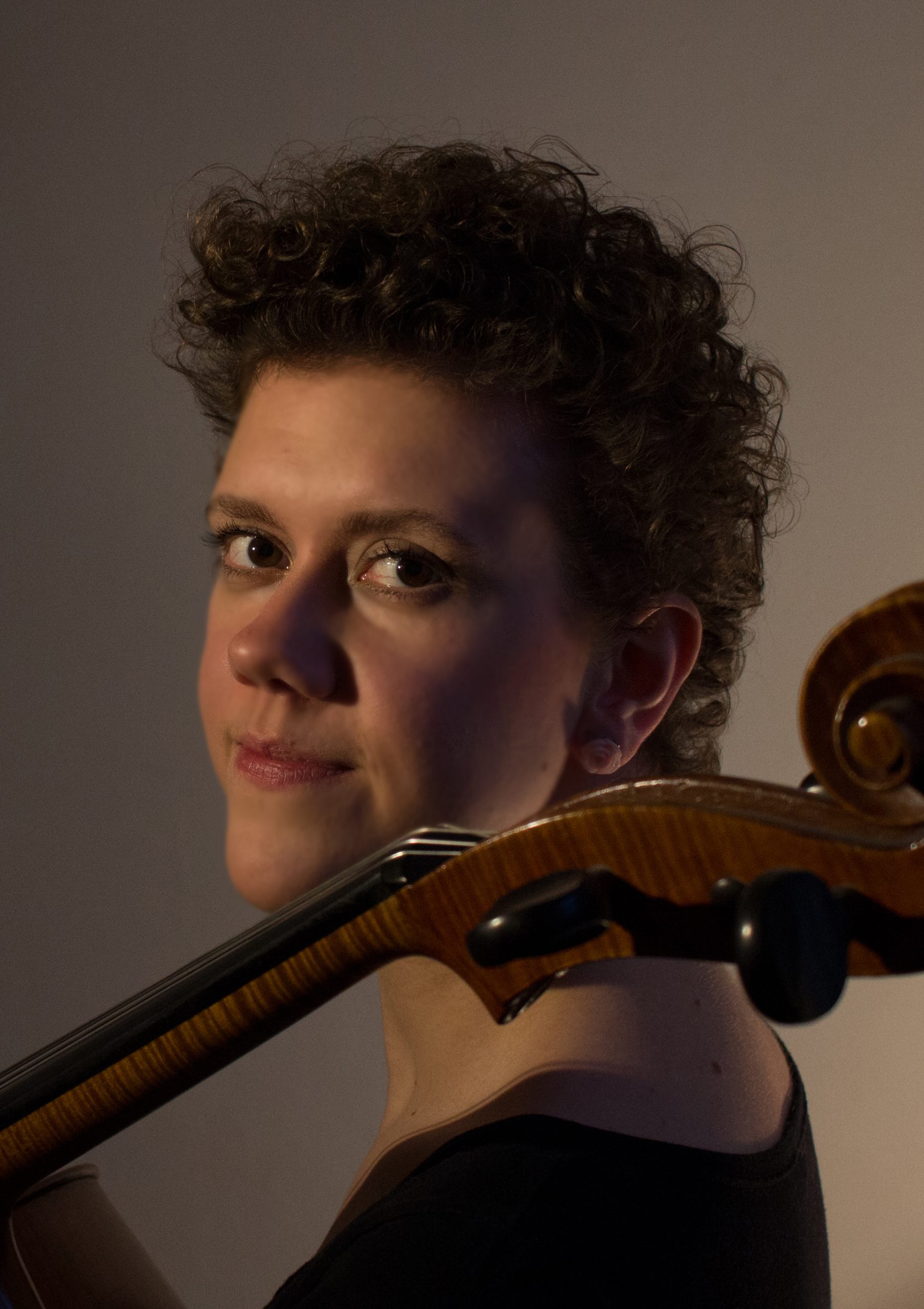
Foto: Arthur Buckenleib
Theresa Vollmer ist Universitätsassistentin (Post Doc) im Arbeitsbereich „Wissen und Kultur“ an der Universität Wien. Sie studierte Soziologie und promovierte an der TU Berlin im Forschungsbereich „Allgemeine Soziologie, insbesondere Theorie moderner Gesellschaften“. Ihre Forschungsschwerpunkte sind Wissens- und Kultursoziologie, qualitative Methoden und die Soziologie der Musik. In ihrer Dissertation „Gemeinsam Musizieren. Zur Soziologie und Ethnographie der Streichensembles” untersuchte sie, wie klassisch ausgebildete Musiker:innen das gemeinsame Musizieren in Streicherensembles koordinieren und integrierte hierfür Methoden der soziologischen Videographie und lebensweltanalytischen Ethnographie. Theresa unterrichtet qualitative Methoden, Musiksoziologie und soziologische Theorie. Sie organisiert regelmäßige Datensitzungen zur Interpretation qualitativer Daten aus internationalen und interdisziplinären Forschungsprojekten.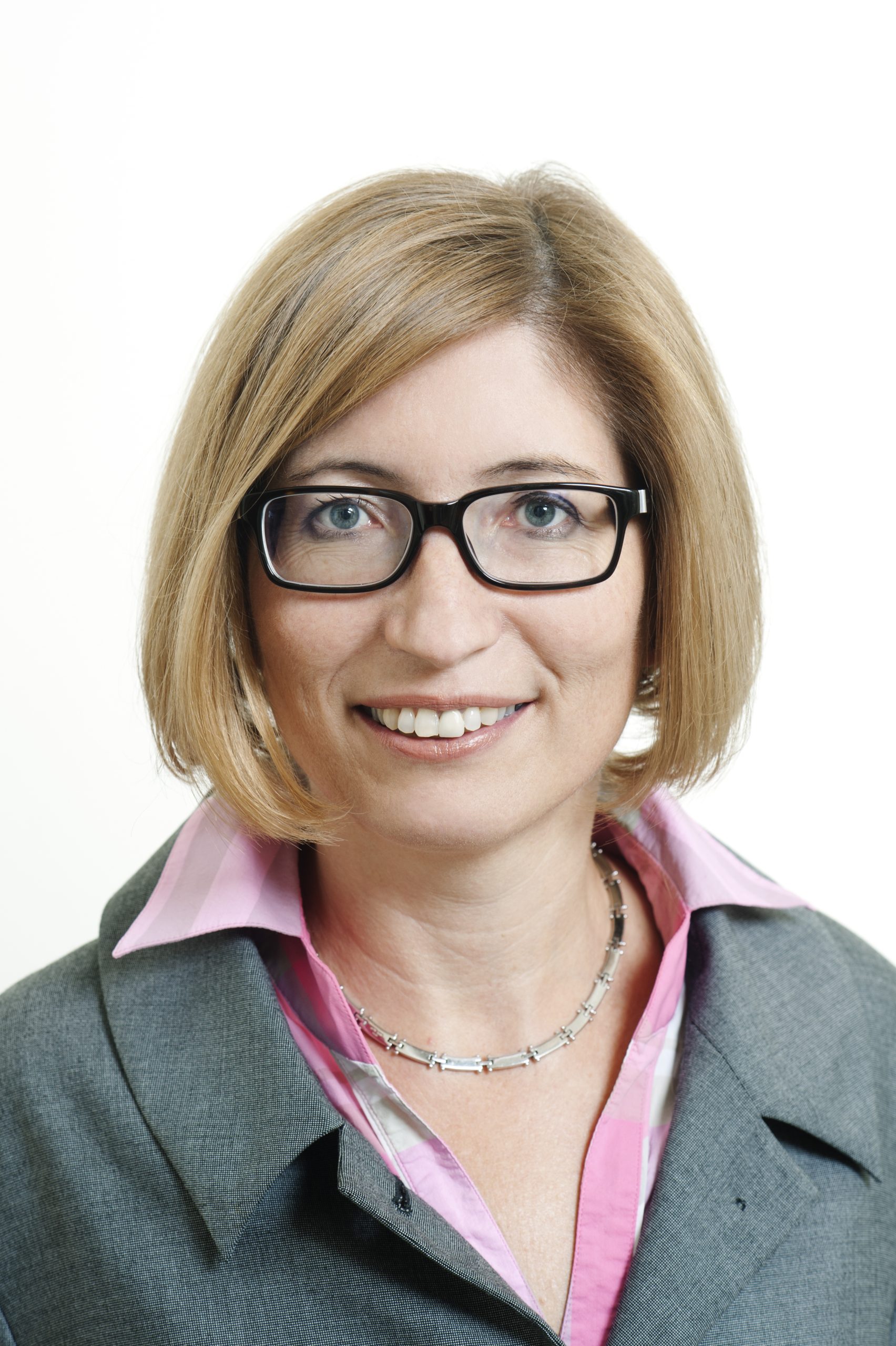
Foto: Barbara Mair
Michaela Pfadenhauer ist Professorin für Soziologie (Leiterin des Arbeitsbereichs „Wissen und Kultur“) an der Universität Wien und Vizedekanin für Forschung, Infrastruktur und Nachhaltigkeit an der Fakultät für Sozialwissenschaften. Sie ist Mitglied des Vorstands des ESA RN07 Sociology of Culture sowie des Konzils der DGS. Michaela hat wesentliche Beiträge zur Theorie und Methodologie der Wissenssoziologie von Kommunikation, Medien und Technologie geleistet. Auf methodischer Ebene entwickelte sie die Potenziale der lebensweltanalytischen Ethnographie und des Experteninterviews so weiter, dass sie für die Erforschung aktueller Medien- und Technologieentwicklungen fruchtbar wurden. Michaela unterrichtet Soziologische Theorie und Gesellschaftstheorie, Expertise und Professionen, Qualitative Sozialforschung und Kultursoziologie auch außerhalb deutschsprachiger Universitäten.
16:45 Uhr
Marlene Behrmann, Weimar/Friedrichshafen:
(Nicht-)Formalisiertes Verhalten, informelle Gespräche und andere Erlebnisverstärker im klassischen Konzert.
Eine qualitative Analyse des Konzerterleben
‚Das klassische Konzert ist in der Krise‘, ist im Feuilleton zu lesen. Das belegen laut Besucherforschung vor allem das steigende Durchschnittsalter des Publikums, sowie das wachsende Angebot von Musikvermittlungsformaten, um jüngere Hörer:innen zu akquirieren. Dabei ist nicht klar, ob es sich bei dieser Entwicklung um eine Krise der klassischen Musik im Allgemeinen oder um eine Krise ihrer traditionellen Präsentationsform handelt.
Experimental Concert Research hat in Zusammenarbeit von Forscherinnen und Forschern aus der Musikwissenschaft, Psychologie, Soziologie und Kulturwissenschaft sowie Konzertdesigner:innen, Musiker:innen und Programmierer:innen das Konzerterleben empirisch untersucht. Die zugrunde liegende Frage des gesamten Forschungsprojekts lautet: Welchen Einfluss haben die interdependente Wirkung der Musik, der Musiker:innen, des Aufführungsrahmens sowie des sozialen Miteinanders auf das Erleben der Konzertbesucher:innen?
Die Erhebungen erfolgten während elf öffentlicher Konzerte im Pierre Boulez Saal und im Radialsystem in Berlin im Frühjahr 2022 mit identischem Programm. Im Verlauf der elf Konzerte wurden verschiedene Parameter (wie das Bühnenlicht, die Reihenfolge der Stücke, Moderation, visuelle und akustische Verstärkung u.a.) im Konzertformat verändert. Ein Großteil der Konzertbesucher:innen wurde durch physiologische Messungen und andere modernste Technik beobachtet und untersucht. Ergänzend wurden im Anschluss an die elf Konzerte Leitfadeninterviews (u.a. zu Erwartungen, Motivation, Aktivitäten während des Konzerts) mit weiteren Konzertbesucher:innen geführt.
Der Vortrag befasst sich mit den Ergebnissen der qualitativen Analyse zur Wahrnehmung der Musiker:innen durch das Publikum in einem klassischen Konzert und den Auswirkungen auf das Erleben der Zuhörer:innen. Wichtige Aspekte bei der Betrachtung sind multimodale Wahrnehmung, soziale Faktoren des Musikhörens, sowie Präsenz, das Live-Erlebnis und nicht-formalisiertes Verhalten.
Marlene Behrmann ist wissenschaftliche Mitarbeiterin und Doktorandin an der Hochschule für Musik Franz Liszt Weimar im Fachbereich Kulturmanagement. In ihrer Dissertation beschäftigt sie sich mit der Rolle der Kultur und Ästhetik in der großen Transformation hin zu einer nachhaltigen Gesellschaft. Außerdem ist sie wissenschaftliche Mitarbeiterin an der Zeppelin Universität (Friedrichshafen) am WÜRTH Chair of Cultural Production, wo sie im Projekt Experimental Concert Research für die Durchführung, Analyse und Auswertung der qualitativen Interviews zuständig ist. An der Hochschule für Musik und Theater Hamburg ist sie Lehrbeauftragte im Fach Musikwissenschaft in einem speziellen Angebot für international Studierende, wo zwei weitere ihrer Interessengebiete und deren Vermittlung zusammenkommen: Musik und Sprache.
Freitag, 22. September 2023
9:00 Uhr
Andreas Gebesmair, St. Pölten:
Neue Intermediäre, alte Strategien?
Die Musikindustrie in der Plattformökonomie
TikTok und die Kurzvideo-Dienste anderer Plattformen entwickelten sich in den letzten Jahren zu wichtigen Kanälen der Musikdistribution. Die zumeist von Amateur:innen produzierten, nur wenige Sekunden langen Musik-Clips verhelfen sowohl wenig bekannten als auch etablierten Künstler:innen zu oft unerwartetem Erfolg bei einem Millionenpublikum. Diese in der Regel als Challenges sich „viral“ verbreitenden, Algorithmus-gesteuerten Trends lassen sich kaum vorhersagen. Doch wie gehen die Musik-Labels mit diesen neuen Intermediären um? Überraschenderweise bedienen sich die Unternehmen einiger Strategien der Bewältigung von Unsicherheiten, wie wir sie aus den Anfängen musikindustrieller Produktion und Distribution kennen: Vorwärtsintegration durch langfristige Lizenz-Verträge, Anpassung der Formate an die technischen Vorgaben, Überproduktion durch Ausdifferenzierung des Repertoires, Etablierung von tragfähigen Beziehungen zu Gatekeepern etc. Aus wirtschaftssoziologischer Perspektive betrachtet sind diese Reaktionsformen insofern interessant, als hier klassische Organisationsmodelle der Kulturindustrie auf rezente Organisationsformen der Plattformökonomie treffen (siehe dazu Cunningham & Craig 2019): Ein auf stabilen Geschäftsbeziehungen und urheberrechtlichen Vertragsverhältnissen basierende Industrie ist mit einer Logik konfrontiert, die auf die Auflösung traditioneller Strukturen abzielt und sich im Zustand des „permanent beta“ wähnt. Der Beitrag geht der Frage nach, wieviel „Moderne“, wieviel klassische Kulturindustrie sich in der Plattformökonomie wiederfindet.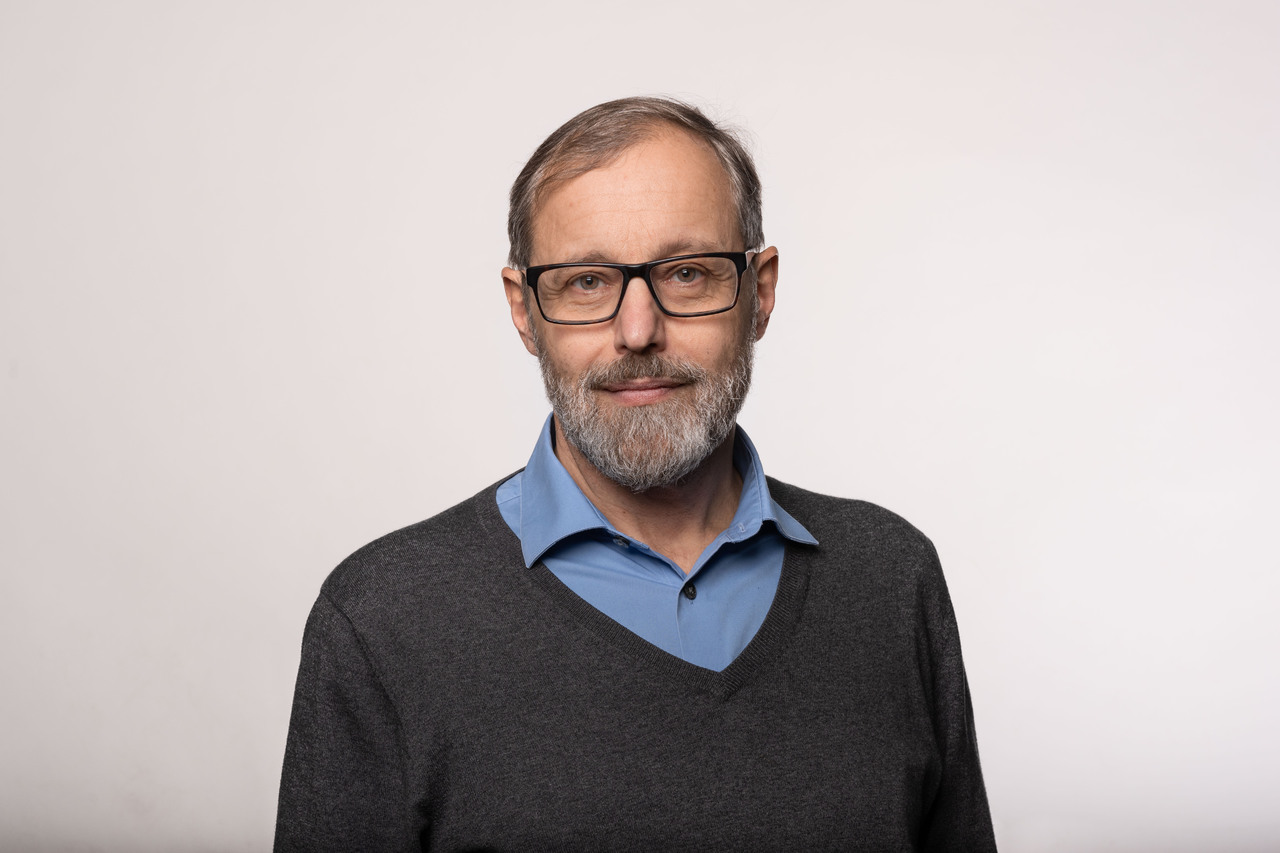
Foto: Florian Stix
Andreas Gebesmair, FH-Prof. PD Dr., ist Dozent am Department Medien und digitale Technologien der Fachhochschule St. Pölten und forscht am Institut für Creative\Media/Technologies. Nach dem Studium der Soziologie, Musikwissenschaft und Geschichte an der Universität Wien war er als Medien- und Kulturforscher in verschiedenen Forschungseinrichtungen tätig. Von 2006 bis 2011 war er Direktor des Instituts mediacult Wien, von 2011 bis 2020 leitete er das Institut für Medienwirtschaft an der Fachhochschule St. Pölten. Derzeitige Arbeitsschwerpunkte sind die Transnationalisierung kultureller Produktion, Strukturen der Unterhaltungsproduktion, Computational Social Sciences.
9:45 Uhr
Christofer Jost, Freiburg:
Musik im expandierenden Clip-Universum. Über die Bedeutung medialer Formen in der Plattformökonomie
In den Kommunikationsräumen der Social-Media-Plattformen ist Musik zweifelsohne von herausragender Bedeutung. Musikalische Angebote werden konsumiert, geteilt, bewertet und empfohlen und darüber hinaus von den Nutzenden selbst kreiert, in Umlauf gebracht und symbolisch und/oder pekuniär in Wert gesetzt. Dabei ist eine enorme Dynamik in der Hervorbringung von immer neuen Darreichungsformen zu beobachten, welche in der kommunikativen Praxis der Nutzenden nicht selten klassifiziert werden: als „reaction videos“, „musicless music videos“, „time-stretch videos“, „what if videos“ u.v.m. Nicht zuletzt die Verkopplung von Musik mit (bewegten) Bildern, massenwirksam ins Werk gesetzt auf YouTube, trägt zu dieser Entwicklung bei. Die Regelhaftigkeiten, in denen die fraglichen Darreichungen zu unterscheid- und gruppierbaren Wahrnehmungsangeboten werden, lassen sich – aus medientheoretischer Perspektive – als mediale Formen beschreiben. Darunter zu verstehen sind konventionalisierte Verbindungen von Elementen, die gewissermaßen unter dem Einzelmedium selbst anzusiedeln sind. Sie entstehen in einem Medium, sind aber nicht auf selbiges begrenzt, was bedeutet, dass sie potenziell im Gesamtsystem der Medien migrieren.
In rezenten Onlinemedien geht nunmehr von einzelnen Plattformen bzw. den sie betreibenden Unternehmen eine enorme strukturgebende und regelsetzende Macht aus, die sich im Falle der großen Social-Media-Plattformen in der Organisation sozialer Handlungsräume widerspiegelt. Die Frage, wie Plattformen angesichts dieser sozioökonomischen Eingriffstiefe die medienkulturelle Formatierung musikalischer Praktiken mitprägen, erscheint noch nicht hinreichend beantwortet. Der Vortrag geht dieser Frage nach und formuliert die These, dass die Architektur und Funktionsweise der Plattformen, und nicht zuletzt die zunehmende Zentrierung künstlicher Intelligenz in diesen, ein Spiel der bzw. mit Muster(n) befeuern, in dem ästhetische Erlebnispotenziale und die Erlebnissuche der Nutzenden zunehmend an die medialen Formen selbst gekoppelt scheinen.
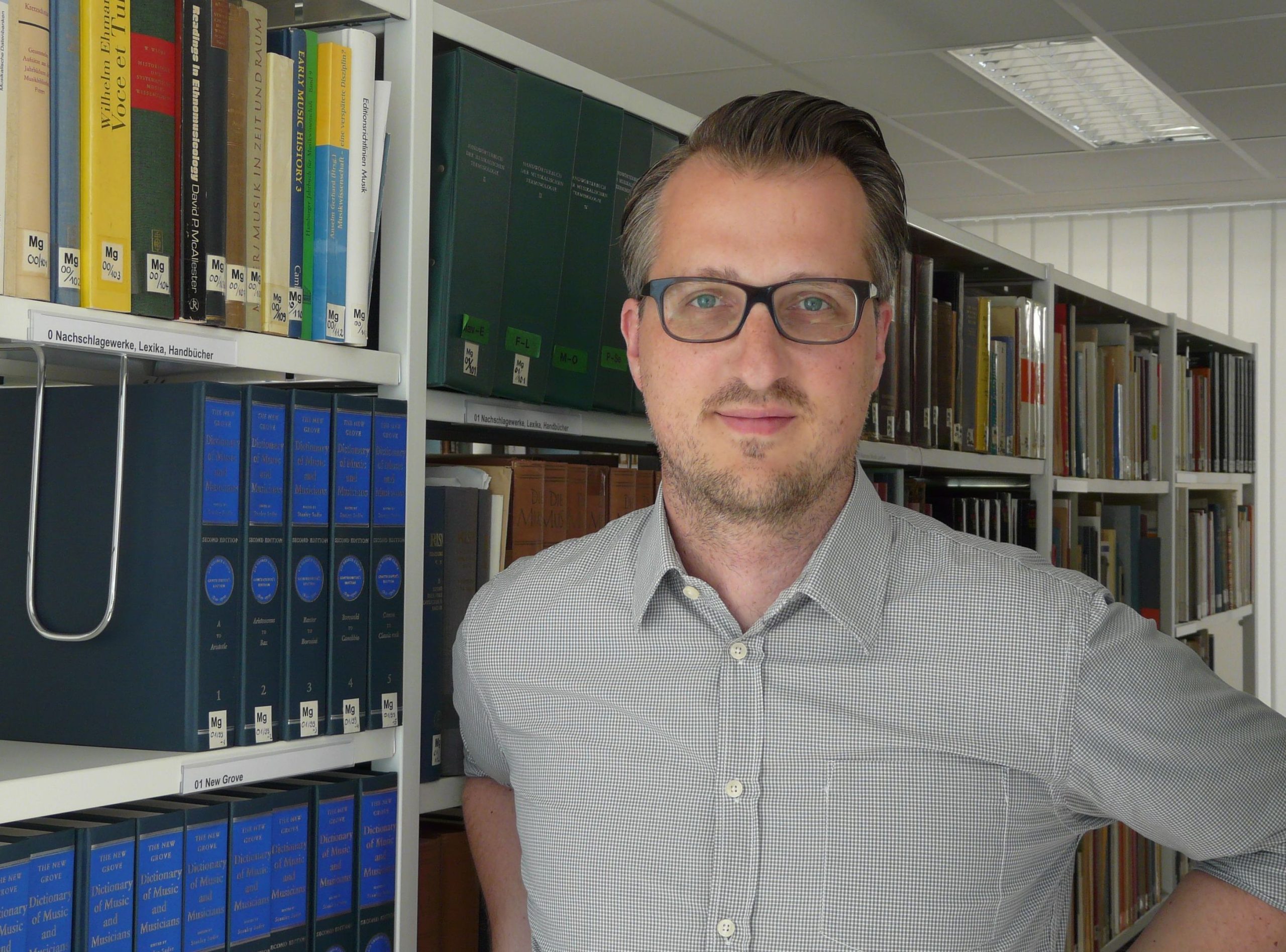
Foto: Michael Fischer
Christofer Jost ist Oberkonservator am Zentrum für Populäre Kultur und Musik (ZPKM) sowie Privatdozent am Institut für Medienkulturwissenschaft der Universität Freiburg. 2008 promovierte er in Musikpädagogik an der Universität Mainz. 2011 schloss er seine Habilitation an der Universität Basel ab (Venia docendi in Medienwissenschaft); Umhabilitierung 2018 an der Universität Freiburg. 2013 vertrat er einen Lehrstuhl für Medien- und Kommunikationswissenschaft an der Universität Mannheim. Von 2018–2021 war er Koordinator des BMBF-Verbundprojekts „Musikobjekte der populären Kultur. Funktion und Bedeutung von Instrumententechnologie und Audiomedien im gesellschaftlichen Wandel“. Seine Schwerpunkte in Forschung und Lehre sind: Populäre Musik, digitale Medien und Musik, audiovisuelle Medienkulturen, Performance Studies und Musik und Bildung.
9:45 Uhr
Christofer Jost, Freiburg:
Musik im expandierenden Clip-Universum. Über die Bedeutung medialer Formen in der Plattformökonomie
In den Kommunikationsräumen der Social-Media-Plattformen ist Musik zweifelsohne von herausragender Bedeutung. Musikalische Angebote werden konsumiert, geteilt, bewertet und empfohlen und darüber hinaus von den Nutzenden selbst kreiert, in Umlauf gebracht und symbolisch und/oder pekuniär in Wert gesetzt. Dabei ist eine enorme Dynamik in der Hervorbringung von immer neuen Darreichungsformen zu beobachten, welche in der kommunikativen Praxis der Nutzenden nicht selten klassifiziert werden: als „reaction videos“, „musicless music videos“, „time-stretch videos“, „what if videos“ u.v.m. Nicht zuletzt die Verkopplung von Musik mit (bewegten) Bildern, massenwirksam ins Werk gesetzt auf YouTube, trägt zu dieser Entwicklung bei. Die Regelhaftigkeiten, in denen die fraglichen Darreichungen zu unterscheid- und gruppierbaren Wahrnehmungsangeboten werden, lassen sich – aus medientheoretischer Perspektive – als mediale Formen beschreiben. Darunter zu verstehen sind konventionalisierte Verbindungen von Elementen, die gewissermaßen unter dem Einzelmedium selbst anzusiedeln sind. Sie entstehen in einem Medium, sind aber nicht auf selbiges begrenzt, was bedeutet, dass sie potenziell im Gesamtsystem der Medien migrieren.
In rezenten Onlinemedien geht nunmehr von einzelnen Plattformen bzw. den sie betreibenden Unternehmen eine enorme strukturgebende und regelsetzende Macht aus, die sich im Falle der großen Social-Media-Plattformen in der Organisation sozialer Handlungsräume widerspiegelt. Die Frage, wie Plattformen angesichts dieser sozioökonomischen Eingriffstiefe die medienkulturelle Formatierung musikalischer Praktiken mitprägen, erscheint noch nicht hinreichend beantwortet. Der Vortrag geht dieser Frage nach und formuliert die These, dass die Architektur und Funktionsweise der Plattformen, und nicht zuletzt die zunehmende Zentrierung künstlicher Intelligenz in diesen, ein Spiel der bzw. mit Muster(n) befeuern, in dem ästhetische Erlebnispotenziale und die Erlebnissuche der Nutzenden zunehmend an die medialen Formen selbst gekoppelt scheinen.
Foto: Michael Fischer
Christofer Jost ist Oberkonservator am Zentrum für Populäre Kultur und Musik (ZPKM) sowie Privatdozent am Institut für Medienkulturwissenschaft der Universität Freiburg. 2008 promovierte er in Musikpädagogik an der Universität Mainz. 2011 schloss er seine Habilitation an der Universität Basel ab (Venia docendi in Medienwissenschaft); Umhabilitierung 2018 an der Universität Freiburg. 2013 vertrat er einen Lehrstuhl für Medien- und Kommunikationswissenschaft an der Universität Mannheim. Von 2018–2021 war er Koordinator des BMBF-Verbundprojekts „Musikobjekte der populären Kultur. Funktion und Bedeutung von Instrumententechnologie und Audiomedien im gesellschaftlichen Wandel“. Seine Schwerpunkte in Forschung und Lehre sind: Populäre Musik, digitale Medien und Musik, audiovisuelle Medienkulturen, Performance Studies und Musik und Bildung.
11:00 Uhr
Michael Ahlers / Jan Herbst / Carsten Wernicke, Lüneburg / Huddersfield / Berlin:
Songwriting in spätmodernen Gesellschaften. Netzwerkbildungen von Schlafzimmer-Individuen bis Gruppen-Fließbändern
Das Songwriting erschafft einen Kern populärer Musikkulturen, den Song. Als Prozess sowie soziale Konfiguration bildet es spätmoderne gesellschaftliche Entwicklungen mindestens in zweierlei Hinsicht ab: Erstens folgen scheinbar immer mehr Personen dem Kreativitäts-Dispositiv oder gar Imperativ, indem sie selbst aktiv werden als „Bedroom-Producer“ oder in DIY-Szenen. Digitale Medien werden ihnen hierfür als Ermächtigungs- und Demokratisierungsagenten angepriesen, wenngleich sie dies per se nicht leisten können oder wollen, aber dennoch wahrnehmbaren Einfluss nehmen auf die Ästhetik der Produkte sowie das spätere Rezeptionsverhalten und die Musikwirtschaft.
Zweitens spitzen sich im Kontext kommerziellen Songwritings Prozesse der Spezialisierung sowie der arbeitsteiligen, postfordistischen Vorgehensweise zu. Wenngleich Musik auch historisch bereits durch unterschiedlich qualifizierte Personen (Komponist:innen, Arrangeur:innen, Texter:innen) entstand, so lässt sich spätestens seit den 2000er-Jahren eine Veränderung innerhalb der Song- oder „Hit-Fabriken“ erkennen. Einerseits entstehen Firmen, wie Cheiron Studios, RedZone Entertainment oder Prescription Songs, in denen in der Tradition erfolgreicher Songwriter-Unternehmen aus der Tin Pan Ally oder dem Brill Building bis zu 50 Personen gleichzeitig an Produktionen arbeiten. Und andererseits setzen auch Musikverlage, Plattenfirmen, Aggregatoren und weitere Stakeholder der Musikwirtschaft zunehmend auf Songwriting Camps (Ahlers/Herbst, eingereicht). Hier ergeben zusätzlich zu Fragen rund um Machtstrukturen auch organisationale sowie kreativitätsbezogene Aspekte um kollaborative Kreativität, sowie um Verwertungs-, Leistungsschutz oder Urheberrechte.
Wir gehen von Spannungen in den Netzwerken der Singualisierung und kollaborativer Kreativität, medientechnologischer Standardisierung sowie neoliberaler Arbeit in der so genannten Kreativwirtschaft aus und möchten dies gern diskutieren.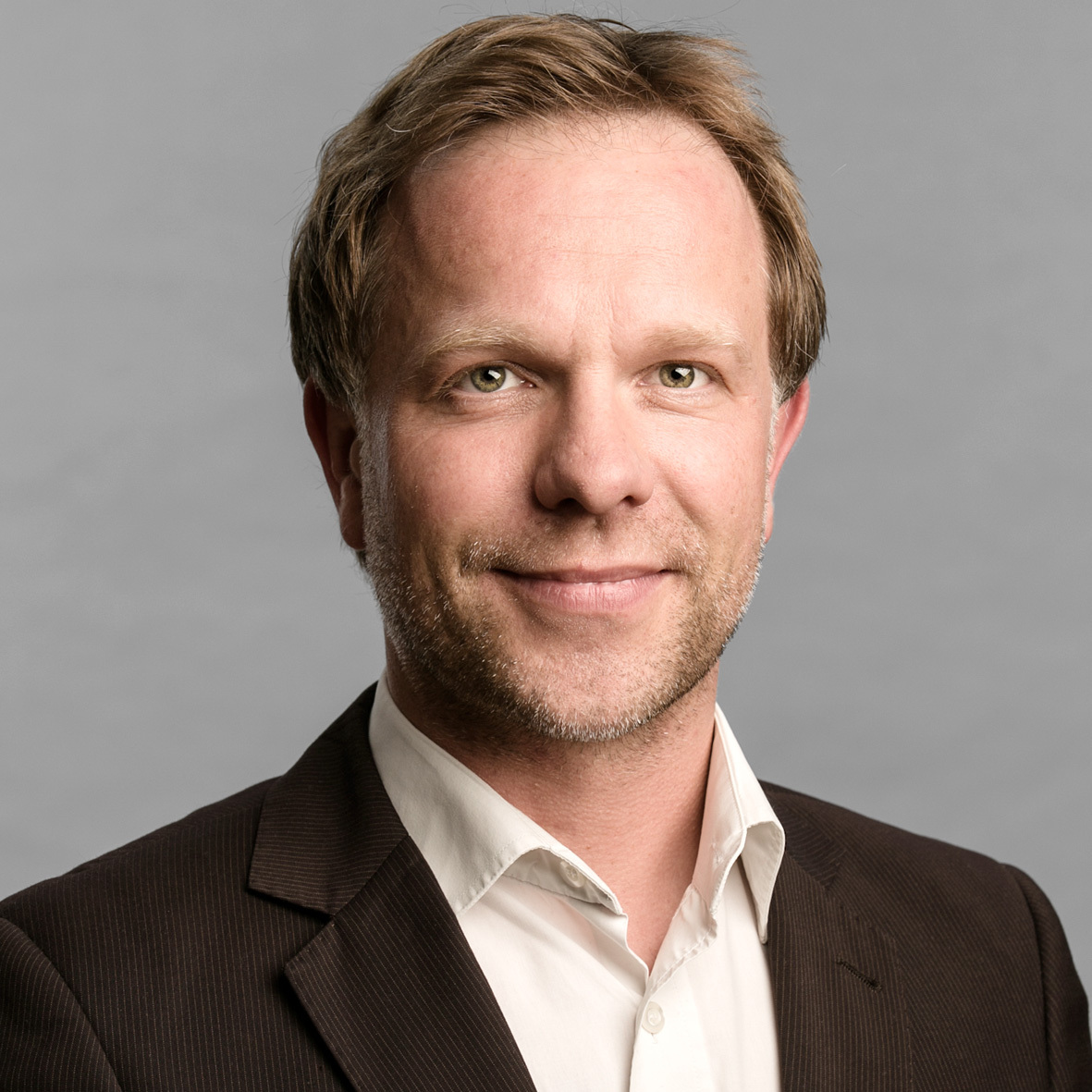
Michael Ahlers ist Professor für Musikdidaktik mit dem Schwerpunkt Popularmusik an der Leuphana Universität Lüneburg. Seine Forschungs- und Lehrschwerpunkte liegen innerhalb der der empirischen Musikpädagogik und Popular Music Studies. Aktuelle Arbeiten und Forschungsprojekte fokussieren digitalen Medien, Musik-Interfaces (MIDAKUK, BMBF), digital unterstützte Übeprozesse (CODIP, BMBF), Songwriting Camps im 21. Jahrhundert (DFG, mit Jan-Peter Herbst/ AHRC) sowie transdisziplinäre Kreativitätsforschung. E-Mail-Adresse: michael.ahlers@leuphana.de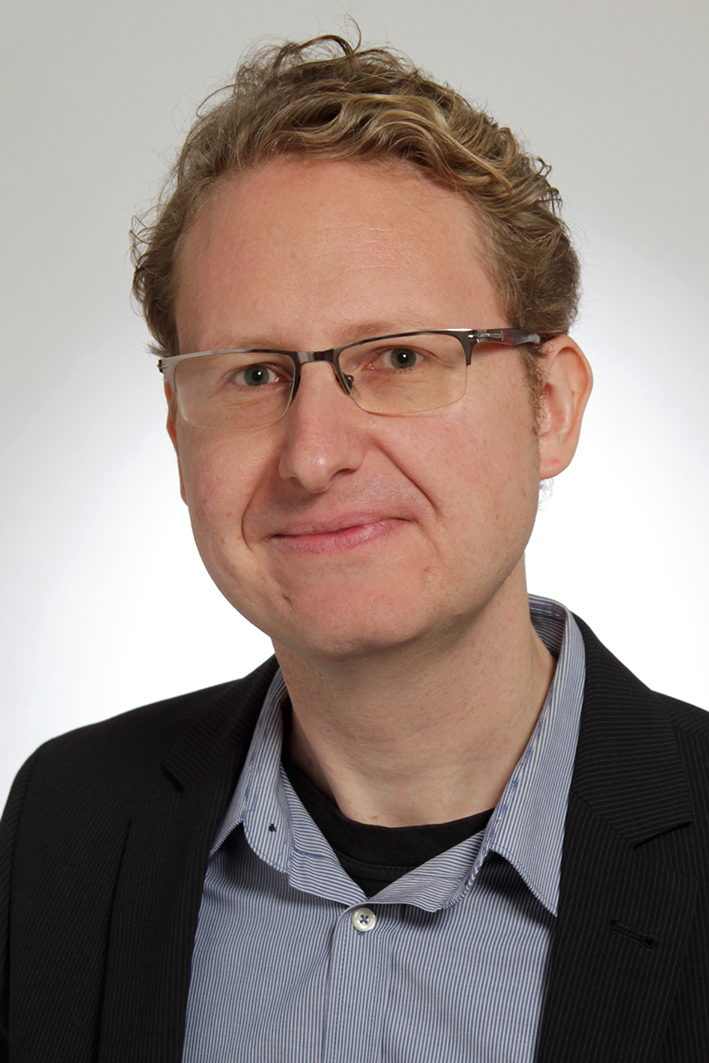
Jan-Peter Herbst ist Reader in Music Production an der University of Huddersfield, Großbritannien. Derzeit leitet er mehrere geförderte Projekte: „Songwriting Camps in the 21st Century“ (AHRC, 2023-2026 mit Michael Ahlers, Leitung des britischen Teilprojekts), „Heaviness in Metal Music Produktion“ (AHRC, 2020-2023 mit Mark Mynett) und „Extreme Metal Vocals“ (EU Horizon, 2022-2024 mit Eric Smialek). Seine Arbeit konzentriert sich auf verschiedene Facetten der Musikproduktion, -industrie und -performance im Bereich der populären Musik, mit einem besonderen Schwerpunkt auf Rock und Metal. E-Mail-Adresse: j.herbst@hud.ac.uk
11:45 Uhr
Steffen Just / Jens Gerrit Papenburg, Bonn:
Temporalisierung und Verräumlichung.
Zum Verhältnis von Klang und (Spät-)Moderne
Inwiefern ist Klang konstitutiver Bestandteil moderner Gesellschaften? Zur Sondierung dieser Frage schlagen wir den Begriff der Klangmoderne vor. Allgemein kann die Klangmoderne dadurch gekennzeichnet werden, dass Klang in ihr kontingent erscheint, also generell unbestimmbar bleibt und historisch unterschiedlich konzipiert wird. Neuere Ansätze der Sound Studies fordern entsprechend, dass verstärkt eine solche Kontingenz in den Blick zu nehmen sei.
Diese grundsätzlichen Überlegungen erörtern wir im Vortrag ausgehend vom Klang der Musik. Zunächst nehmen wir zwei Klangkonzepte der Musik in den Blick, die zwischen 1890 und 1945 kulturell prominent wurden: Klang als temporalisierte Entität sowie als ausgedehnte Entität. Diese Klangkonzepte legen wir in Bezug auf je historische Praktiken und Diskurse, Medientechnologien und konkrete Klänge frei. Sie können jedoch nicht nur im Feld der Musik, sondern auch in anderen gesellschaftlichen Feldern vorgefunden werden – etwa in der Politik, Wissenschaft oder Arbeit. So regen sie die Frage an, ob die Konzeption von Klang auch mit einer eigentümlichen Konzeption der Moderne korreliert.
Wir zeichnen daraufhin nach, inwiefern die Konzepte des temporalisierten und des voluminösen Klangs bis in die Gegenwart fortbestehen: Die Konzeption von Klang als temporalisierte Entität spielte mit Klangtechnologien des frühen 20. Jahrhunderts, speziell der Klavierrolle für automatische Klaviere zusammen und findet sich in heutiger Musikpraxis, prominent in der Piano-Roll-Ansicht jeder Sequenzer-Software wieder. Die Konzeption von Klang als voluminöse Entität koinzidierte mit der Entwicklung erster Lautsprechersysteme in den 1920er und 1930er Jahren und existiert in den Beschallungsanlagen nicht nur der Club- und Festivalkulturen der Gegenwart fort.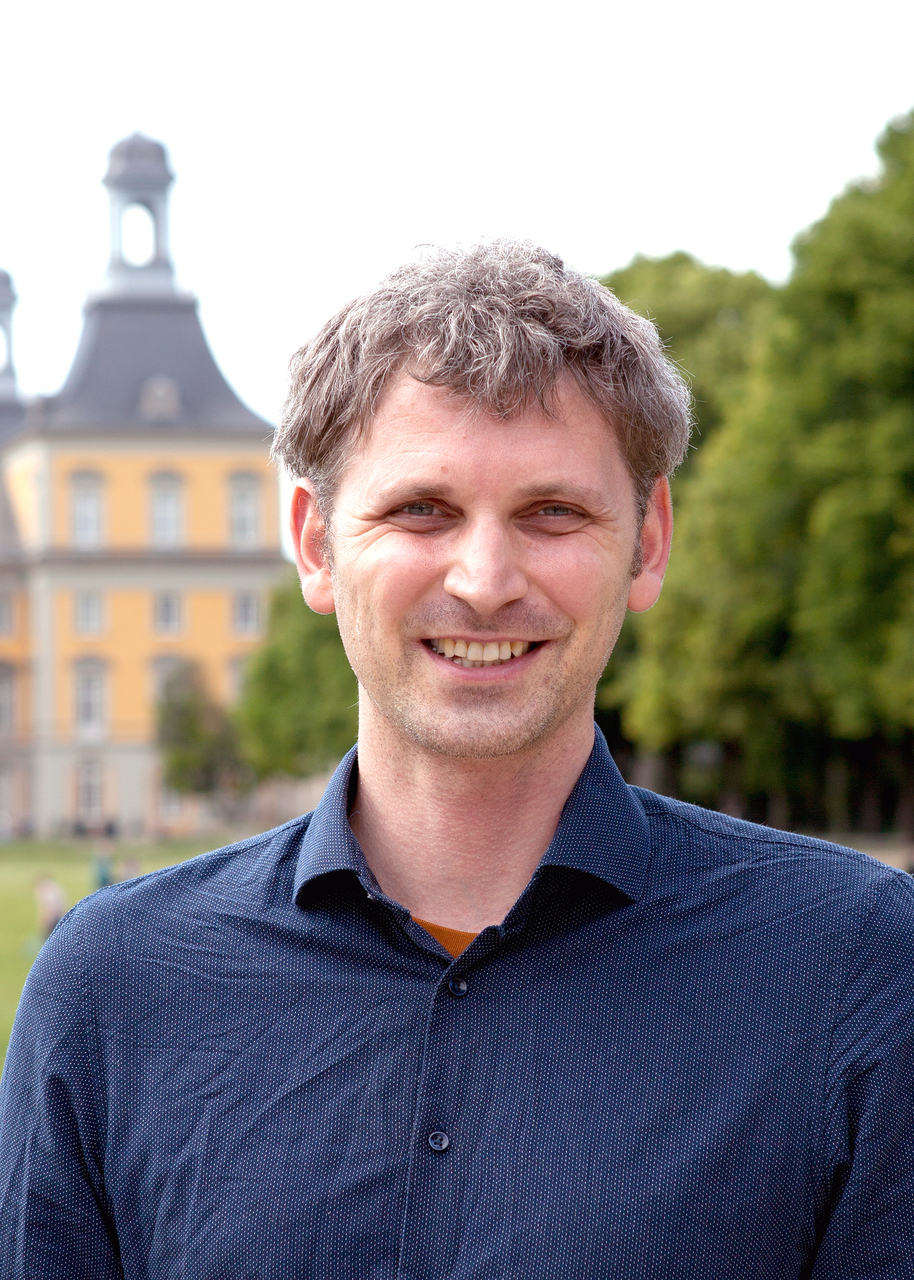
Steffen Just ist wissenschaftlicher Mitarbeiter im DFG-Projekt „Synkopierung und Volumen. Sondierungen einer sonischen Moderne, 1890-1945“ (2022–2025) an der Abteilung Musikwissenschaft / Sound Studies der Rheinischen Friedrich-Wilhelms-Universität Bonn. Sein Postdoc-Projekt geht der Frage nach, wie die zeitliche Organisation von Klängen in den Jahren von 1890 bis 1930 Jahren – auch über die Musik hinaus – gesellschaftprägende Wirkungen entfaltete. Zuvor arbeitete er als wissenschaftlicher Mitarbeiter bzw. Fellow an der HU Berlin, der FU Berlin sowie an der Universität Potsdam. An der Schnittstelle von Sound Studies, Media Studies, Cultural Studies und Musikwissenschaft liegt sein primäres Forschungsinteresse in der Untersuchung von kulturstiftenden Klangdiskursen, -technologien und -praktiken und deren wechselwirkenden Einflüssen auf Subjektivierung, Körperlichkeit, Kulturhegemonien und sozialen wie ökonomischen Strukturen.Kontakt: sjust@uni-bonn.de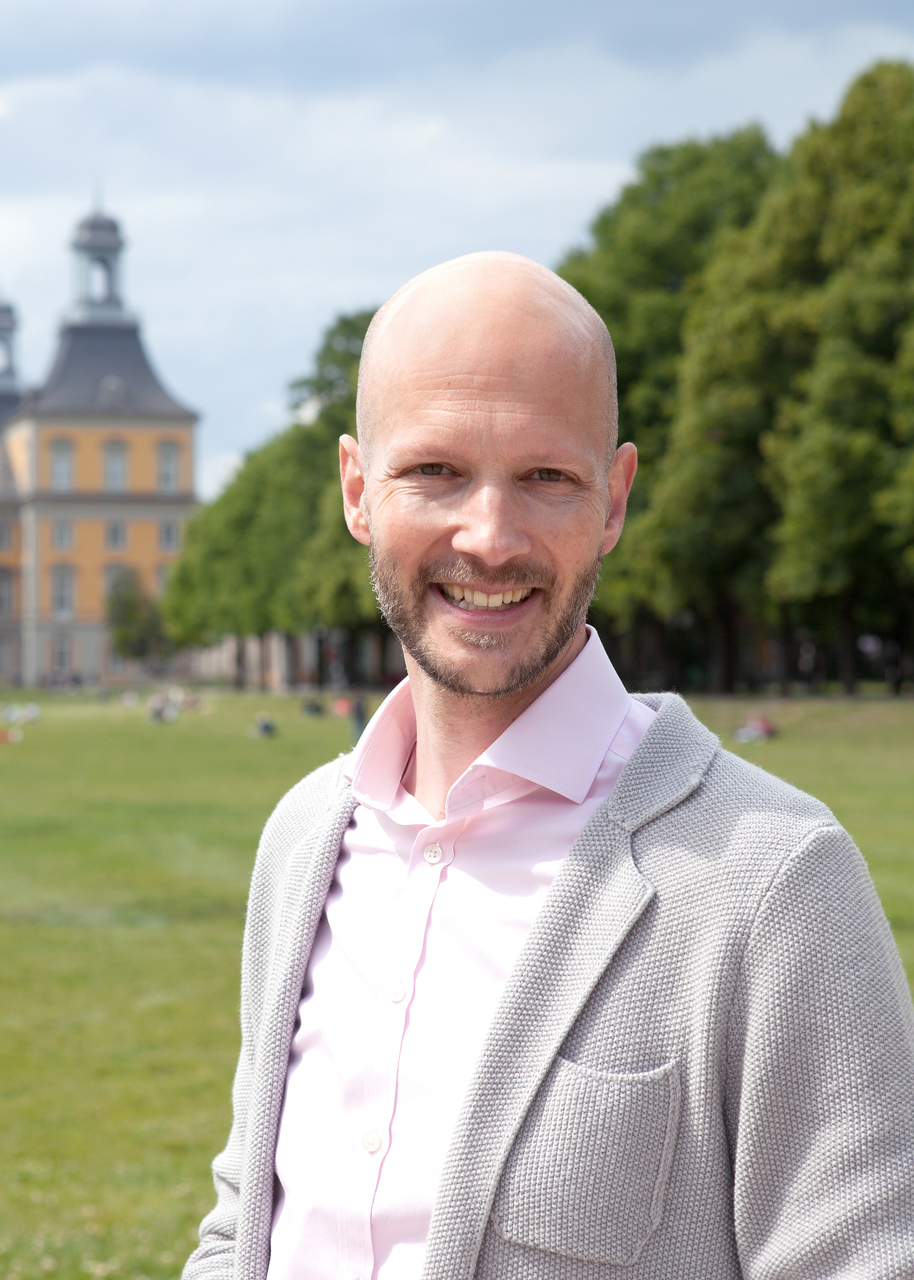
Jens Gerrit Papenburg ist seit 2019 Professor für Musikwissenschaft/Sound Studies an der Rheinischen Friedrich-Wilhelms-Universität Bonn. Vorher Gast- und Vertretungsprofessuren an der Humboldt-Universität zu Berlin, Leuphana Universität Lüneburg und Heinrich-Heine-Universität Düsseldorf. Autor von „Listening Devices. Music Media in the Pre-Digital Era” (Bloomsbury 2023) sowie Mitherausgeber von „Ästhetische Normativität in der Musik“ (Vittorio Klostermann 2023) und „Sound as Popular Culture. A Research Companion“ (MIT Press 2016). Er leitet das DFG-Forschungsprojekt „Synkopierung und Volumen. Sondierungen einer sonischen Moderne, 1890-1945“ (https://sonic-modernity.net/).
14:00 Uhr
Sarah Chaker, Wien:
Straßenmusik in Zeiten des Post-Neoliberalismus. Eine vergleichende Analyse behördlicher Regulierungspraxis in kreativen Städten
Straßenmusik ist eine jahrtausendealte Musikpraxis, die in ihrer Geschichte immer wieder repressiven Versuchen der Eindämmung seitens der jeweiligen Obrigkeiten ausgesetzt war. Gegenwärtig lassen sich für Straßenmusik krisenhafte Momente und eine grundsätzliche Transformation der Praxis ausmachen, die auch in Zusammenhang mit post-neoliberalen Entwicklungen zu sehen sind. Als Krisen-Symptom lässt sich u.a. die zunehmende gesellschaftliche Ab- und Entwertung von Straßenmusik lesen, die sich auf zwei Weisen zeigt: Zum einen auf der Ebene der öffentlichen Rhetorik, auf der Straßenmusik vielerorts primär als ein Störmoment verhandelt wird, das es zu beseitigen gilt. Zum anderen spiegelt sich ihre Diskreditierung im sukzessiven Verschwinden aus weiten Teilen des öffentlichen Raumes wider; wo sie noch Bestand hat, wird ihre soziale und künstlerisch-kulturelle Heterogenität – eigentlich ein Charakteristikum von Straßenmusik – durch behördliche Auflagen zum Teil massiv eingeschränkt. In meinem Vortrag werde ich zeigen, dass sich diese Tendenz nicht nur, aber auch und insbesondere in sogenannten kreativen Städten beobachten lässt, die häufig post-neoliberal geprägten stadtplanerischen Überlegungen und den entsprechenden politischen Strategien und Erwägungen unterliegen. Indem Politik und Stadtplanung öffentlichen Plätzen im Freien (und damit den primären Betätigungsräumen von Straßenmusiker*innen) ganz spezifische Aufgaben, Qualitäten und Funktionen zuschreiben, die über entsprechende restriktive behördliche Vorgaben exekutiert werden, wird die Praxis der Straßenmusik auf unterschiedlichen Ebenen massiv eingeschränkt und beschnitten. Anhand einer vergleichenden Analyse aktuell in Österreich gültiger Straßenmusikverordnungen werde ich aufzeigen, wie auf diese Weise „strategic self-governance“ (Volker Kirchberg) in die Straßenmusik-Community implementiert und damit leichtfertig demokratiepolitische Potenziale verspielt werden.
Foto: Claudia Schacher
Sarah Chaker studierte Musik in den Massenmedien und Germanistik an der Carl von Ossietzky Universität Oldenburg und promovierte ebendort im Fach Musik zum Umgang von Black- und Death Metal Anhänger*innen mit ihrer Musik. Derzeit arbeitet sie als Assistenzprofessorin am Institut für Musiksoziologie der mdw – Universität für Musik und darstellende Kunst Wien. Musik im öffentlichen Raum (insbesondere Straßenmusik), Geschichte, Theorien und Methoden der Musiksoziologie, populäre Musiken (insbesondere Extreme Metal) und Musikvermittlung gehören zu ihren derzeitigen Arbeits- und Forschungsschwerpunkten. Kontakt: chaker-s@mdw.ac.at
14:45 Uhr
Anina Paetzold, Berlin:
Time to Rise: Die Ungleichzeitigkeit des Gleichzeitigen in der kambodschanischen Popmusik
„Time to Rise“, veröffentlicht 2021, ist der erfolgreichste Song des kambodschanischen Rappers VannDa. Ich nehme mir diesen Track der pleeng samay (wörtlich: „moderne Musik“) zum Ausgangspunkt, um darzulegen, wie multi-mediale Performances dieser Musik trotz ihrer Zeitgebundenheit multiple Zeitebenen evozieren und verschmelzen können, welche Affordanzen dies begünstigen und welche sich daran anschließen.
Die Etablierung der pleeng samay war für den jungen kambodschanischen Nationalstaat wichtiger Bestandteil des Ablösungsprozesses von Französisch-Indochina nach der Unabhängigkeit (1953). Neben das von kolonialen Narrativen geprägte Bemühen, die traditionellen und klassischen Künste der Khmer vor modernen/ausländischen Einflüssen zu schützen und so vor dem Aussterben zu bewahren, trat mit der „modernen Musik“ eine positiv konnotierte, national geprägte hybride Musikkultur, die durch die Machtergreifung der Khmer Rouge (1975) jäh unterbrochen wurde. Sie sahen die zuvor als modern und kulturell eigen betrachtete Musik vornehmlich als schädlichen westlichen Einfluss auf dem Weg zum kommunistischen Bauernstaat.
Das Übereinanderlegen von Zeitebenen in Vanndas „Time to Rise“ und anderen Songs der pleeng samay, die im letzten Jahrzehnt veröffentlich wurden, hat somit nicht zuletzt einen (post-)kolonialen und gleichzeitig postkommunistischen Hintergrund. Der Titel des Stücks „Time to Rise“ kann dabei durchaus als programmatisch gelesen werden für die gesellschaftlichen wie persönlichen Ambitionen und Wünsche der Akteur*innen aus einem Land, das als Teil des globalen Südens gilt und dem bisweilen nach wie vor unter dem Einsatz allochroner Narrative die Modernität aberkannt wird.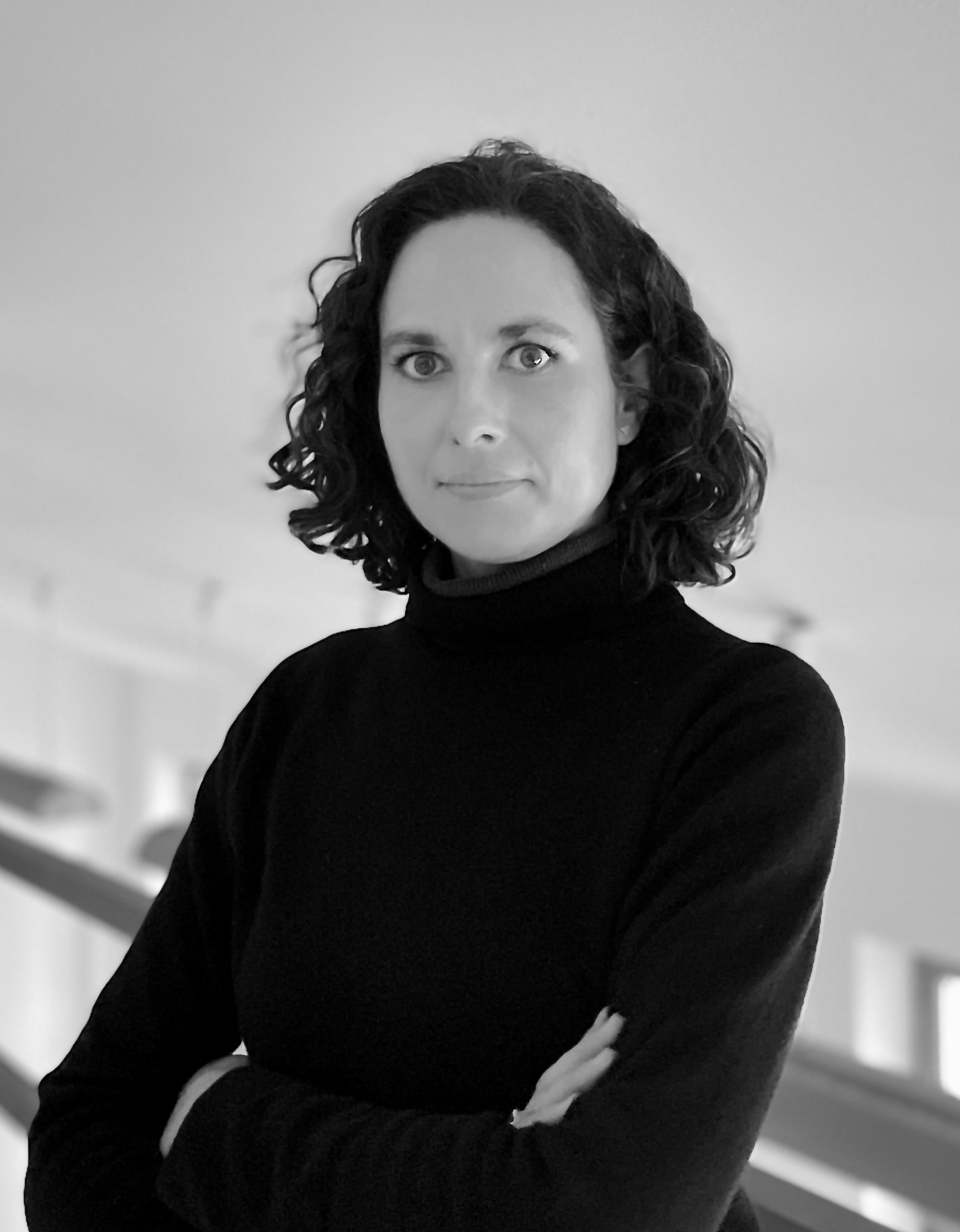
Foto: privat
Anina Paetzold studierte Musikwissenschaft und Neuere deutsche Literatur an der Humboldt-Universität zu Berlin. Promoviert wurde sie ebendort mit einer Dissertation zum Thema „Imaginierte Traditionen: Eine diachrone Ethnographie über das Bewahren performativer Künste in Kambodscha“ im Lehrgebiet Transkulturelle Musikwissenschaft und Historische Anthropologie der Musik (ehemals Musiksoziologie). Anina Paetzold war wissenschaftliche Mitarbeiterin in den Lehrgebieten Popular Music Studies sowie Transkulturelle Musikwissenschaft und Historische Anthropologie der Musik am Institut für Musikwissenschaft und Medienwissenschaft der Humboldt-Universität zu Berlin. Derzeit ist sie Gastdozentin an der Humboldt-Universität zu Berlin und Lecturer für Cultural Musicology an der Universiteit van Amsterdam.
16 Uhr
Melanie Schiller, Groningen:
Funny Extremism or Putting the ‘Neon’ in Neo-Nazi: An Exploration in Metamodernism, Nostalgia and Post-Irony through Swedish Fashwave Music
Late modernity is often described in terms of a state of simultaneity, where different events, ideas, and identities coexist and overlap in complex ways. In this context, some critics have declared the end of postmodernism (Alber and Belle 2019), and post-millennial culture has been described in terms of metamodernism instead (Vermeulen and van den Akker 2010). In this newly emerging framework, in which “the metamodern generation understands that we can be both ironic and sincere at the same moment; that one does not necessarily dimmish the other,” (Turner 2015) post-irony demarks a cultural paradigm or aesthetic with “a short-circuiting of the position of knowing where one stands in relation to the ironic displacement” (Duncan 2018). In this paper I will explore the complex interconnections between metamodern post-irony, extremist politics and popular music by focusing on fashwave as the soundtrack of the Swedish radical right party Alternative for Sweden. I will argue that the populist radical and extreme right draws on the nostalgia inherent to popular retromania culture (Reynolds 2011) and its ambiguity of associated post-ironic aesthetics to articulate restorative nationalist nostalgia (Boym 2001) in the language of post-irony. As such, I will demonstrate how fashwave music is an interesting case, as it reveals how the populist and extreme right not only function as political movements but also as cultural and aesthetic ones, with a particular style that can be seen as symptomatic of a metamodern structure of feeling.

Foto: Melanie Schiller
Melanie Schiller ist Assistant Professor für Medienwissenschaften und populäre Musik am Fachbereich Künste, Kultur und Medien der Universität Groningen (Niederlande), und Autorin von Soundtracking Germany – Popular Music and National Identity (Rowman and Littlefield, 2018 und 2020). Schiller ist Vorsitzende und ‚national representative‘ des Benelux-Zweiges der International Association for the Study of Popular Music (IASPM) und Mitherausgeberin der Reihe Music and Politics bei Routledge. Ihre aktuelle Forschung konzentriert sich auf populäre Musik und Populismus in Europa und insbesondere in Schweden im Rahmen des internationalen Forschungsprojekts “Popular Music and the Rise of Populism in Europe” (gefördert von der Volkswagenstiftung, 2019-2022). Ihre Forschungsinteressen umfassen unter anderem populäre Musik, populäre Kultur und Politik, nationale Identität und Nationalismus sowie transmediales Erzählen.
16:45 Uhr
Moritz Ege, Zürich:
The Hyperpop Conjuncture? Gegenwartsversprechen und -diagnosen zwischen Pop und Kulturwissenschaft
Als das Hyperpop-Genre mit seiner maximalistisch-effektorientierten, selbstbewusst digital-künstlichen Musikästhetik und den vielen Bezügen auf Pop-Archive und Internet-«knowingness» vor einigen Jahren entstand und auch zum musikjournalistischen Thema wurde, war es schnell als besonders «gegenwärtige» bzw. zeitgenössische, wenn nicht sogar futuristische Form identifiziert, die mehrere Schichten semiotischer Verschlüsselung beinhaltet. Anders gesagt: Hyperpop präsentierte sich von Anfang an als hyper-gegenwärtig, aber auch rätselhaft, und rief damit auch entsprechende Zeitdiagnosen auf den Plan, beziehungsweise brachte sie ästhetisch selbst vor – wobei sich das Pathos der «großen» Gegenwartsdiagnose in der gegenwärtigen Wissenslandschaft zwischen Pop-Expert:innentum und Akademie mittlerweile eher erschöpft, wenn nicht gar verflüchtigt hat. Mit diesem Vortrag möchte ich zwei Dinge tun: Zum einen möchte ich über die Ästhetik von Musik und Musikvideos, die als Hyperpop klassifiziert werden, und die damit vorgebrachten zeitdiagnostischen «Angebote», Versprechen und Wissens- und Haltungsformen nachdenken. Dabei werde ich u.a. auf Songbeispiele eingehen, die politische Kommentare zu internationalen Kulturkampfthemen geben, und nach sich darin abzeichnenden Formen von queerer (?) Kollektivität und Zusammengehörigkeit sowie nach kulturellen Abgrenzungen und Gegnerschaften fragen. Zum anderen möchte ich zeigen, dass bzw. inwiefern neuere Varianten der (vor allem auf Stuart Hall zurückgehenden) «Conjunctural Analysis» hilfreich sind, um aktuelle Popmusik auf nicht-reduktionistische Weise ästhetisch und politisch zu kontextualisieren und nach ihrem möglichen Beitrag zur Formierung von Subjektivitäten, Gemeinschaften und Allianzen zu fragen.
Foto: Frank Brüderli
Moritz Ege ist Professor für Empirische Kulturwissenschaft / Populäre Kulturen an der Universität Zürich. In seinen ethnografischen, kulturanalytischen und historisch-anthropologischen Forschungen über Themen wie kulturell-politische Elitenkritik, die jugendkulturelle Stilisierung des „Prolligen“, Diskotheken in der DDR oder „Afroamerikanophilie“ in der BRD der 1960er/70er-Jahre geht es auch um populäre Musik. Er ist seit einigen Jahren Teil einer interdisziplinären Arbeitsgruppe zu „Conjunctural Analysis“. Zur akademischen Laufbahn: Studium der Europäischen Ethnologie, Philosophie und Amerikanistik an der HU Berlin mit einem Abstecher an die Brown University; Promotion an der HU Berlin, weitere Stationen waren das ISGV Dresden, die LMU München und die Universität Göttingen.
18:00 Uhr
Hartmut Rosa, Jena:
Von Metal-Monstern und Hardrock-Engeln: Musik als Resonanzsphäre der Spätmoderne
Ausgangspunkt des Vortrags ist die These, dass das spätmoderne Weltverhältnis aufgrund der sozioökonomisch institutionalisierten Steigerungszwänge geradezu als ein Weltverhältnis der Aggression verstanden werden kann, das sich auf allen drei Ebenen des Sozialen manifestiert: Als Aggression gegenüber der Natur (ökologische Krise), gegenüber den Mitmenschen (Demokratiekrise) und gegenüber sich selbst (Psychokrise). Demgegenüber eröffnet Musik die Möglichkeit der Erfahrung eines alternativen Weltverhältnisses, das sich als Resonanzbeziehung beschreiben lässt. Diese ist nicht auf Dominanz, Kontrolle und Beherrschung gerichtet, sondern vollzieht sich in einem ‚mediopassiven Modus‘, der sich zwischen aktiver und rezeptiver Tätigkeit etabliert, Unverfügbarkeit impliziert und zugleich ergebnisoffen und transformationsbereit ist. Der Vortrag möchte zeigen, auf welche Weise das Subgenre des Heavy Metal einerseits das Aggressionsverhältnis repliziert und Entfremdungserfahrungen verarbeitet, andererseits aber zugleich von Resonanzideen und Resonanzerfahrungen gespeist wird bzw. diese ermöglicht.
Foto: Jürgen Scheere
Hartmut Rosa, geb. 1965 im Schwarzwald, ist seit 2005 Professor für Allgemeine und Theoretische Soziologie an der Friedrich-Schiller-Universität in Jena und seit 2013 zugleich Direktor des Max-Weber-Kollegs an der Universität Erfurt. Davor lehrte er an der Universität Augsburg, an der Universität Duisburg-Essen und an der New School for Social Research in New York. 2016 war er als Gastprofessor an der FMSH in Paris. Er promovierte 1997 an der Humboldt-Universität zu Berlin und habilitierte sich 2004 in Jena. 2006 erhielt er den Thüringer Forschungspreis für Grundlagenforschung, 2016 den Tractatus Preis für philosophische Essayistik, 2018 den Erich-Fromm-Preis und den Watzlawik-Ehrenring. Er leitet mehrere Forschungsprojekte, darunter die von der DFG-geförderte Kollegforschergruppe ‚Landnahme, Beschleunigung, Aktivierung. Dynamik und (De-) Stabilisierung moderner Wachstumsgesellschaften’. Seine Bücher wurden in zahlreiche Sprachen übersetzt und weltweit rezipiert.
Workshop
In drei Arbeitsgruppen wurden Thesenpapiere zu drei Themengebieten ausgearbeitet, die im Schlussplenum vorgestellt und diskutiert werden sollen.
Zeitplan
Donnerstag, 21. September
18-19 Uhr
Kick-Off-Treffen der Arbeitsgruppen
Samstag, 23. September
9 Uhr
Arbeitsphase der drei Arbeitsgruppen
11:30 Uhr Kaffepause
12 Uhr
Ergebnispräsentationen im Plenum und Abschlussdiskussion
13 Uhr Ende der Veranstaltung
Arbeitsgruppe 1
Theorien der spätmodernen Gesellschaft: Perspektiven für die Musiksoziologie
Moderation: Steffen Just und Carsten Wernicke
Wie verhalten sich (kultur)soziologische Theorien der Spätmoderne zu konkreten musiksoziologischen Perspektiven? Oder anders ausgedrückt: Wo liegen im gegenwärtigen soziologischen Diskurs produktive Ankerpunkte, an denen musiksoziologische Studien zur Spätmoderne ansetzen können? Versteht man die Musiksoziologie als ein Subfeld der Soziologie, besteht eine wesentliche Aufgabe musiksoziologischer Forschung in der Prüfung und Anwendung (kultur)soziologischer Befunde. Doch nicht immer eignen sich soziologische Konzepte und Begriffe für eine unmittelbare Übertragung, so dass die Frage einer teilweisen Anpassung oder nach einer Ergänzung durch weitere Theorien und Konzepte im interdisziplinären Schnittfeld (bspw. der Medien- und Kulturwissenschaften) gestellt werden kann. Vorschläge, wie etwa von Andreas Reckwitz, die Spätmoderne unter dem Schlagwort “Singularisierung” zu diskutieren, könnten einen Ausgangspunkt auch für musiksoziologische Fragestellungen bilden. Doch bleibt bei solchen und anderen Übertragungen theoretischer Konzepte zunächst offen, wie diese konkret im Bereich musikalischer Diskurse und Praktiken zu verstehen sind. Die Arbeitsgruppe soll ergründen, wie Perspektiven soziologischer Theorien der Spätmoderne für eine Musiksoziologie in Anschlag gebracht werden können und wie sich davon ausgehend konkrete Anwendungsfelder erschließen lassen.
Arbeitsgruppe 2
Ökologische Nachhaltigkeit und Musikleben
Moderation: Marlene Behrmann und Wolf-Georg Zaddach
Der Workshop stellt die Klima- und Biodiversitätskrise in den Mittelpunkt und fragt nach dem Verhältnis zum Musikleben.
Welchen Anteil an der Krise haben Praktiken des Produzierens, Distribuierens, Konsumierens? Welche Auswirkungen hat die Krise derzeit und wird sie vermutlich in Zukunft auf das Musikleben haben? Welche Möglichkeiten haben vice versa das Musikleben und seine Akteur:innen, positiven Einfluss auf den Verlauf der Klima- und Biodiversitätskrise zu nehmen und in welchen Formen?
Nach einer Bestandsaufnahme werden wir anhand von konkreten Beispielen Perspektiven für ökologisch nachhaltige Ansätze diskutieren. Idealerweise entwickeln wir dabei auch weitere, individuelle Ansätze.
Arbeitsgruppe 3
Funktionen und ästhetische Dimensionen von Musik in der Spätmoderne
Moderation: Martin Pfleiderer und Sean Prieske
In der Arbeitsgruppe sollen verschiedene Ansätze gesammelt und diskutiert werden, mit denen die spezifischen Funktionen, Affordanzen und Qualitäten von Musik in der Gegenwart systematisch in den Blick genommen werden können. Dabei geht es nicht nur um klingende Musik, sondern ebenso um Musikpraktiken, also Umgangsweisen mit Musik. Relevant wären etwa Ansätze aus der neueren Kultursoziologie (z.B. die fünf Erlebnisqualitäten narrativ, sinnlich, ethisch, gestalterisch und spielerisch nach Andreas Reckwitz), aus der musikpsychologischen Forschung (z.B. die drei Metafunktionen self awareness, social relatedness und arousal and mood management bei Thomas Schäfer et al.), aus der neueren philosophischen Ästhetik (u.a. Martin Seel, Gernot Böhme oder Hans-Ulrich Gumbrecht) sowie aus der Analyse und Ästhetik populärer Musik, in denen musikalische Dimensionen wie Sound, Groove, Vokalität oder Intertextualität eine wichtige Rolle spielen. Ziel ist die Formulierung von Forschungsfragen einer zeitgemäßen, pluralen und offenen Musikästhetik, in der möglichst viele relevante Funktionen, Affordanzen und Qualitäten von Musik und Musikpraktiken berücksichtigt werden. Dies wäre sowohl für verschiedene Bereiche der Musikforschung von Bedeutung als auch für Akteur:innen und Institutionen, die sich mit der Gestaltung und Transformation des gegenwärtigen Musiklebens befassen.
Planung und Organisation der Tagung:
Marlene Behrmann
Steffen Just
Martin Pfleiderer
Sean Prieske
Carsten Wernicke
Wolf-Georg Zaddach
Veranstaltet vom
Institut für Musikwissenschaft Weimar-Jena,
Hochschule für Musik Franz Liszt Weimar
Platz der Demokratie 2/3, D-99423 Weimar